

Grinding or clenching your teeth — we can help
Bruxism is an involuntary movement of the jaw in which the teeth are ground or clenched, most often during sleep, when no chewing, swallowing or speaking is taking place. Because these movements serve no useful purpose, they are called parafunctions. People who have them are called bruxers.
Besides being noisy and uncomfortable, these movements can cause muscle pain and damage the teeth.
Bruxism can cause:
- Muscle pain
- Headaches
- Worn or fractured teeth
- Sleep problems
About 80% of cases occur at night, which is why bruxism is often considered a sleep disorder. The remaining 20% are daytime bruxers, who clench or grind their teeth during the day.
Nighttime bruxism: a movement that is hard to control
Most episodes occur during light sleep, when body movements are more frequent. Bruxers don’t usually wake up, which makes voluntary control impossible. The pressure is often greater, increasing the risk of damage.
Daytime bruxism: easier to manage
People who grind while awake are aware of their tension and can learn to recognize the triggers, relax their jaw and reduce the consequences.
Is there a solution if I have bruxism?
Yes!
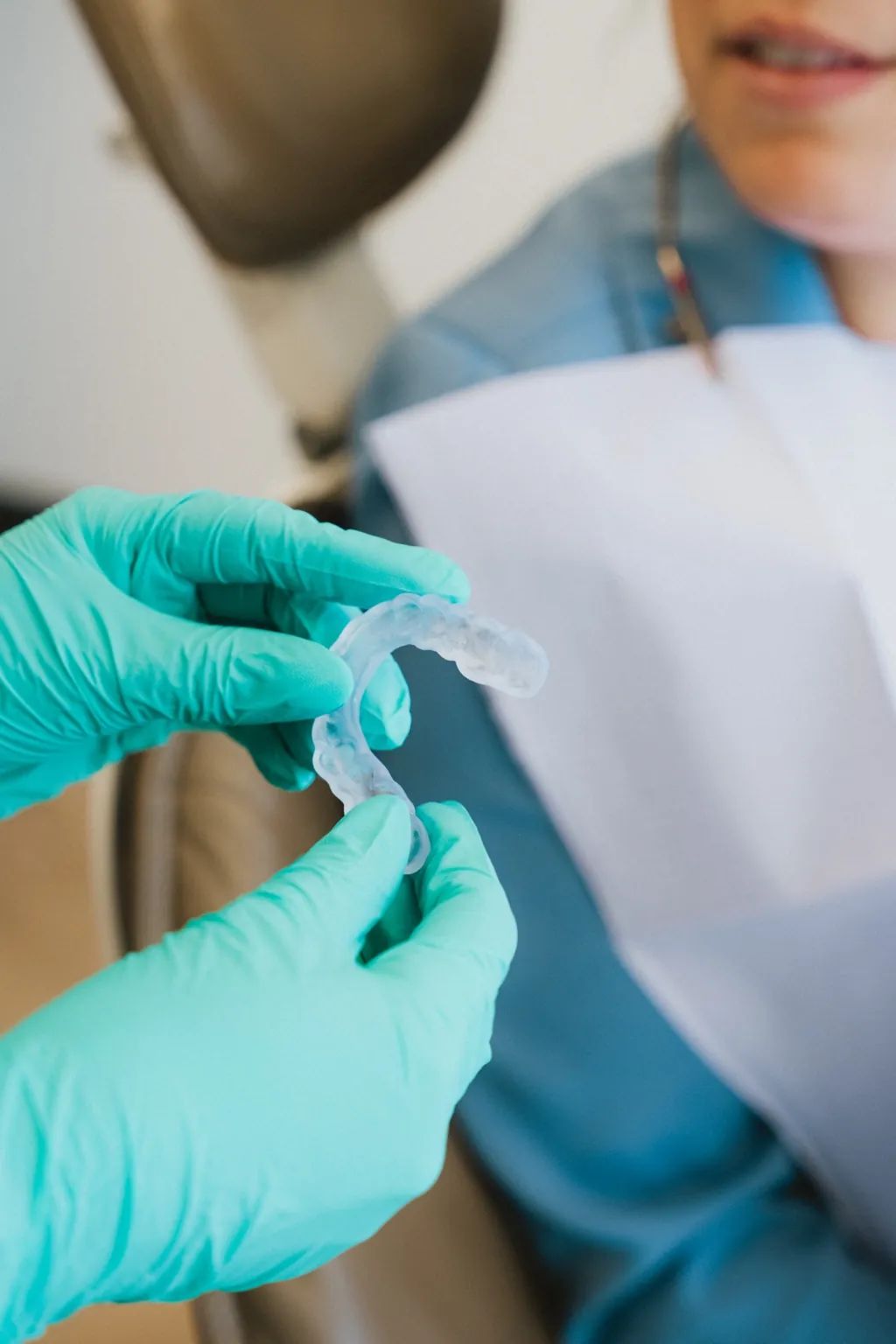
The most common treatment is wearing a custom occlusal splint, comfortable and discreet, at night. This clear tray protects the teeth, absorbs the forces exerted and helps the muscles relax.
With the splint:
- the teeth are protected from wear and sensitivity;
- muscle tension decreases;
- jaw spasms and pain are reduced.
The different types of bruxism
There are two categories:
Dynamic bruxism
This is grinding: the teeth rub sideways or back and forth, making a characteristic sound.
Static bruxism
This is clenching: sustained vertical pressure, without movement.
It is silent, but can cause just as much damage.
In both cases, these movements should not occur outside of chewing. When they appear for no functional reason, it is called bruxism.
If you think you have bruxism, our team can guide you towards the most appropriate solutions.
What are the consequences of bruxism?
Nighttime bruxism is often associated with other sleep disorders, such as snoring or apnea. In some people, it may even affect concentration or learning, especially in young people.
Repeatedly tensing the chewing muscles can create a vicious circle: the tighter the muscles, the more the grinding increases, and so on. Your dentist can help you break this cycle.
What are the main factors linked to bruxism?
Not all the exact causes are known, but several factors are recognized:
- Stress
- Anxiety
- Hyperactivity
- Competitiveness
- Psychosocial problems experienced during the day
This built-up tension can show up at night as involuntary clenching or grinding.
Students during exam periods, for example, are particularly at risk.
If your bruxism is occasional or temporary, an occlusal splint can reduce its impact on your teeth and muscles. If a poor bite is involved, a treatment plan may be proposed.
Who is affected by bruxism?
Bruxism can be temporary or chronic.
It affects:
- about 14% of children,
- 18% of adults and seniors,
- men and women alike.
Cases are more frequent between the ages of 20 and 50, but tend to decrease with age.
Our dentists can identify the source of the problem and offer you suitable treatment.
Don’t let bruxism harm your dental health. Book an appointment for a personalized assessment.